Signs Your Yard Needs a Drainage System to Improve Water Flow and Lawn Health
Top Notch crew · 8 min readA puddle after a heavy Tennessee rain isn't automatically a drainage problem. A section of your yard that stays wet for days afterward is a different story.
Poor drainage can affect far more than the appearance of your lawn. When water repeatedly collects or flows through the wrong areas, it can contribute to thinning turf, erosion, landscape damage, muddy areas, and concerns around the home itself.
The tricky part is recognizing when you're dealing with a temporary wet spot and when your property is telling you something needs to change.
Here are several signs that it may be time to consider a professional drainage solution.
Standing Water Stays Long After the Rain
This is usually the most obvious warning sign. Some temporary pooling during a downpour is normal. But if water remains in the same part of the yard well after the rest of the property has dried, the area may not be draining effectively.
Repeated standing water can make it difficult to maintain healthy grass and can turn parts of your yard into areas you simply avoid.
Pay attention to where the water collects and how long it remains. Patterns are often more useful than what happens during one unusually heavy storm.
Your Lawn Has Persistent Muddy Areas
Does the same area turn into mud every time it rains?
If so, replacing the grass or adding more seed probably isn't going to provide a lasting fix. Constantly saturated soil makes it difficult for turf to perform well. Even if grass begins to establish, regular foot traffic or mowing over wet soil can quickly damage it again.
Improving how water enters, moves through, and exits that area may be necessary before the lawn itself can improve.
Grass Is Thinning in Low Spots
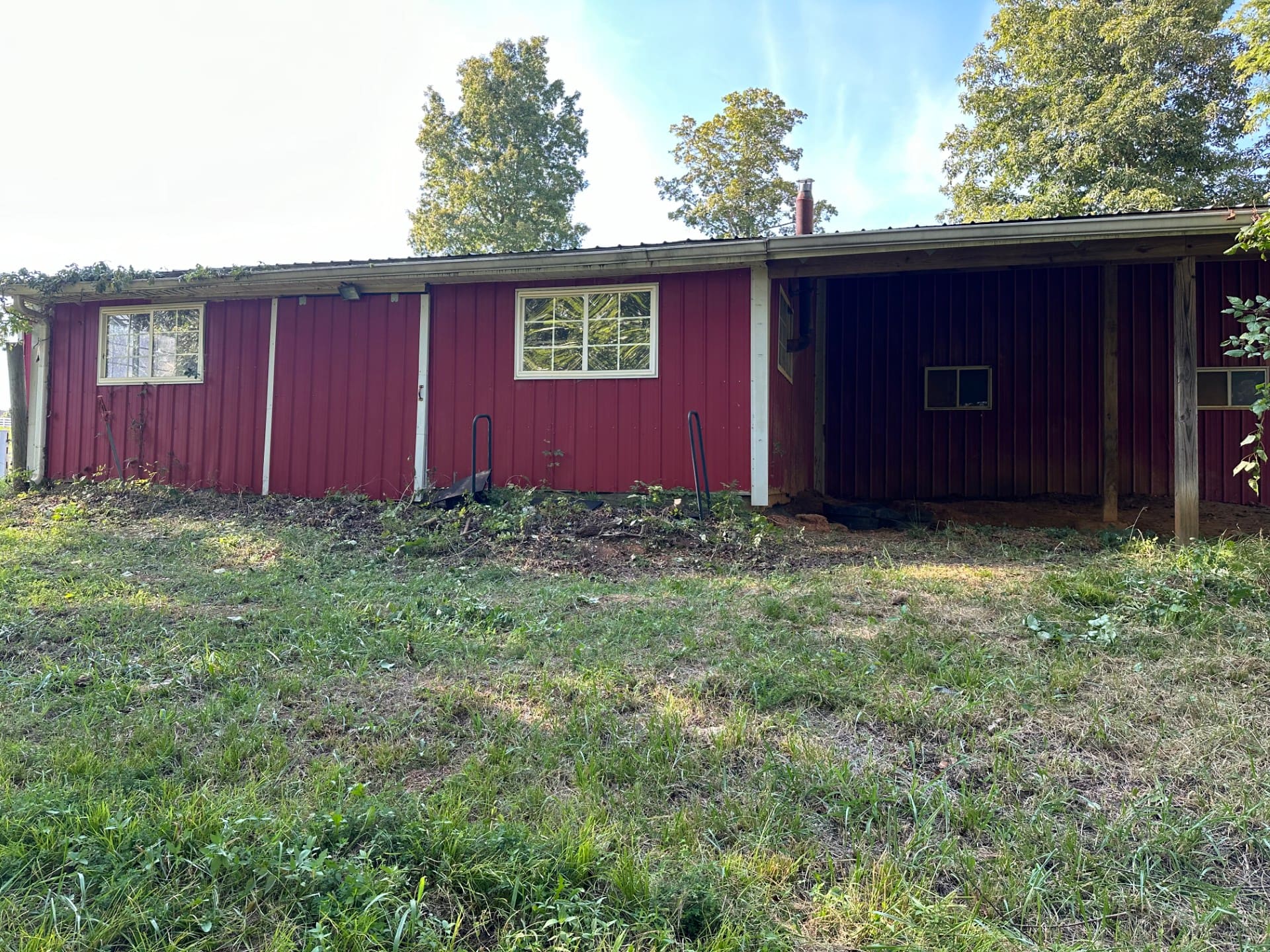
When grass repeatedly struggles in specific low areas while the rest of the lawn looks healthy, water could be part of the problem. Healthy turf needs moisture, but too much water can be just as problematic as too little. Poor drainage affects the soil environment around the roots and may leave grass unable to thrive.
Before repeatedly fertilizing or reseeding a struggling area, look at what happens there after rainfall. The grass may not be the real problem.
You See Soil or Mulch Washing Away
Drainage issues aren't limited to standing water. Water moving too quickly can also damage a property.
Heavy runoff may wash soil from slopes, move mulch out of landscape beds, create channels through the yard, or leave sediment where it doesn't belong. Over time, erosion can change the shape and stability of landscaped areas.
A drainage solution may be needed to collect, slow, redirect, or properly discharge that water.
Water Is Moving Toward Your Home
Water flowing toward the house deserves attention.
Your property should manage runoff in a way that helps move water away from vulnerable areas. When grading, downspouts, hardscaping, or other conditions consistently send water toward the home, the issue shouldn't be ignored.
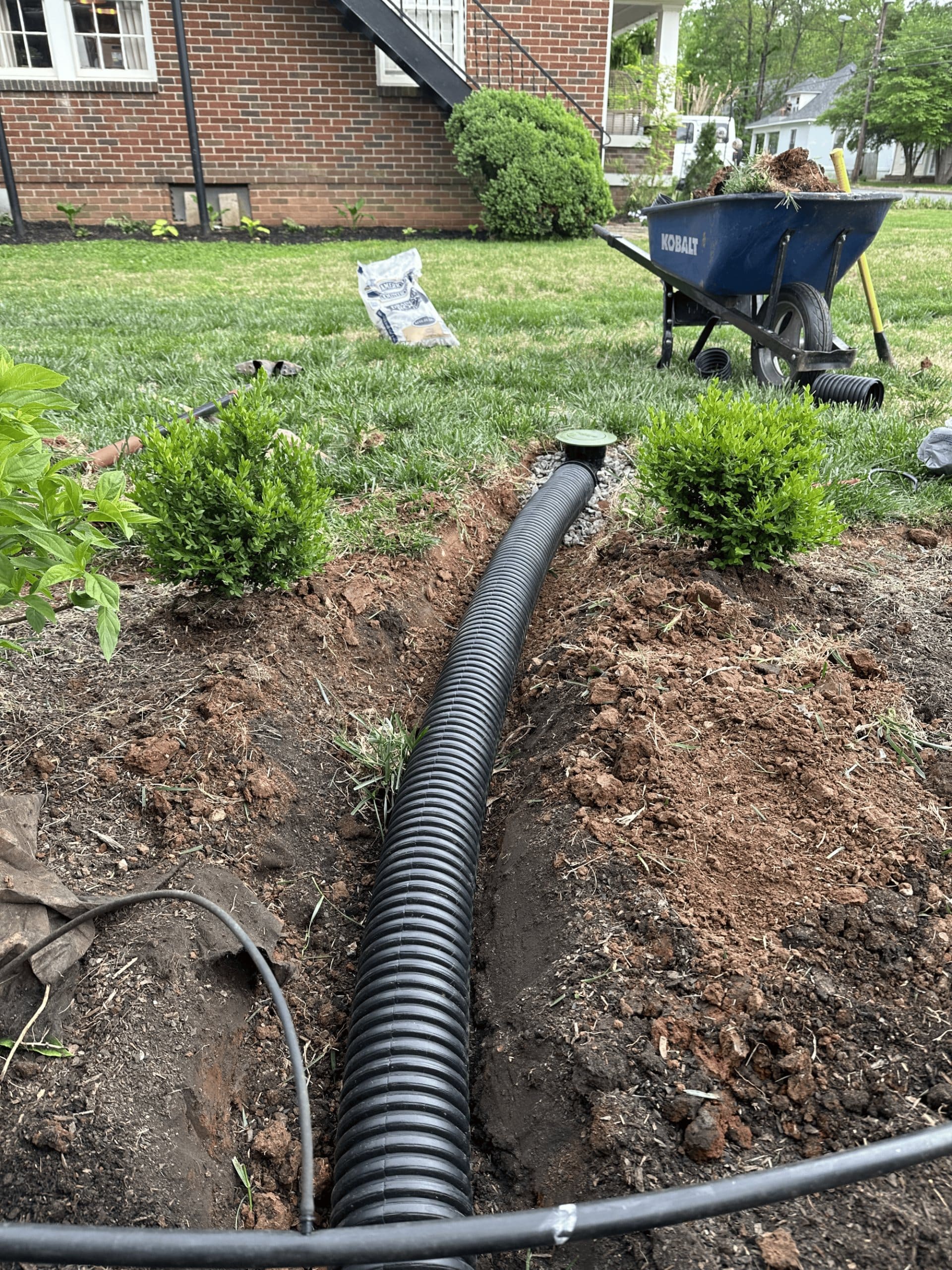
Top Notch TN Outdoor Services installs drainage systems designed to address water pooling and improper runoff while helping protect lawns, landscaping, and foundations. The exact solution depends on the property, which is why an on-site evaluation matters.
Your Hardscaping Is Creating New Water Problems
Patios, walkways, driveways, and other hard surfaces change the way water travels. Unlike soil and turf, these surfaces don't absorb rainfall in the same way. Water has to go somewhere.
If a hardscape addition wasn't planned with proper grading and drainage in mind, runoff may begin collecting along the edge of a patio, washing into a landscape bed, or creating a new low spot in the lawn.
Drainage should be part of the hardscape conversation from the beginning, not an afterthought.
You Keep Repairing the Same Part of the Yard
One of the clearest signs of an underlying drainage issue is repetition. You add seed. The grass grows. The area gets wet again. The grass thins. You add more seed. Or you replace mulch after every major storm because it keeps washing out of the same bed.
When the same repair keeps failing, it's worth looking for the cause rather than continuing to treat the symptom.
What Does a Yard Drainage System Do?
There's no single drainage setup that's right for every property. The goal is to understand where the water is coming from, where it's currently going, and where it should go instead. The solution can then be designed around the property's grading, landscape, structures, and problem areas.
A properly planned system helps manage water rather than simply moving the problem from one part of the yard to another. That's especially important in Middle Tennessee, where heavy rainfall can quickly reveal weaknesses in a property's drainage.
Solve the Water Problem Before Repairing the Lawn
If poor drainage is damaging your turf or landscaping, fixing the grass first can turn into an expensive cycle. Top Notch TN Outdoor Services provides professional drainage system installation in Murfreesboro and surrounding Middle Tennessee communities. The team evaluates where water is pooling or flowing incorrectly and develops a practical solution for the property.
Top Notch also provides lawn maintenance, landscape design and maintenance, hardscaping, fertilization, and tree services, making it possible to look at the yard as a whole rather than treating each issue separately.
If standing water, erosion, or poor runoff is affecting your property, contact Top Notch TN Outdoor Services to schedule an on-site estimate.
Questions about your yard?
Request a free quoteSkip the research — tell us what you're dealing with and we'll take a look in person. Free, on-site, no pressure.